
A hidden water leak in your home can lead to significant damage if left undetected. You can tell if you have one by noticing unexplained increases in your water bill or damp spots on walls and floors. This guide covers the signs, causes, and solutions for hidden water leaks in Lakeland homes.
Hidden water leak detection is a vital process that identifies leaks not visible to the naked eye, often causing extensive damage over time.
What is a Hidden Water Leak?
A hidden water leak refers to any leak that occurs within the walls, floors, or underground, making it difficult to detect without specialized equipment. These leaks can go unnoticed for long periods, leading to mold growth, structural damage, and increased water bills.
Signs of a Hidden Water Leak
Several signs indicate the presence of a hidden water leak in your home. Identifying these early can save you from costly repairs:
- Increased Water Bills: A sudden spike in your water bill without any change in usage can indicate a leak.
- Damp Spots: Look for water stains or damp spots on walls, ceilings, or floors, especially near plumbing fixtures.
- Mold Growth: Mold or mildew in unexpected areas can signal moisture from a hidden leak.
- Unpleasant Odors: Musty smells can be a sign of mold or water damage due to leaks.
- Sound of Running Water: If you hear water running when no fixtures are in use, it may indicate a leak.
If the damp spots or sounds seem to come from under the floor rather than from a wall, compare what you see with the 10 signs you may have a slab leak.
If the home has a pool and the water level keeps dropping, the loss may be coming from the pool shell. That check is covered by pool structural leak detection in Lakeland.
Common Causes of Hidden Water Leaks
Understanding the common causes of hidden water leaks can help you prevent them:
- Old or Damaged Pipes: Aging plumbing systems are more susceptible to leaks.
- Corrosion: Corrosion can weaken pipes, leading to leaks, especially in older homes.
- Improper Installation: Poorly installed plumbing can create vulnerabilities.
- High Water Pressure: Excessive water pressure can stress pipes and lead to leaks.
- Temperature Changes: In Lakeland, fluctuations in temperature can cause pipes to expand and contract, increasing the risk of leaks.
How to Detect a Hidden Water Leak
Detecting a hidden water leak requires a combination of observation and specialized tools. Here are steps you can take:
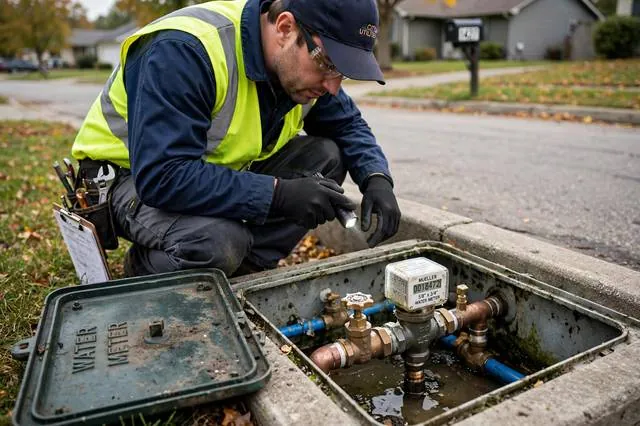
- Monitor Your Water Meter: Check your water meter before and after a period of no water usage. If the meter changes, you likely have a leak.
- Check for Dampness: Inspect areas around appliances and plumbing fixtures for moisture.
- Use Technology: Employ devices like moisture meters or thermal imaging cameras to identify hidden leaks.
- Professional Inspection: Consider hiring a professional for hidden leak detection in Lakeland to accurately locate and address leaks.
How to Find a Hidden Water Leak Step by Step
When you suspect a hidden leak, work through these checks in order. Each step narrows down where the leak is before you call anyone.
- Meter test with everything off: Turn off every tap, appliance, and fixture that uses water, then watch the water meter. If the meter moves, water is going somewhere it should not.
- Close the main shutoff: Shut off the main water supply to the house and watch the meter again. If the meter stops, the leak is inside the house. If it keeps moving, the leak is outside, between the meter and the house.
- Run fixtures one at a time: Turn the water back on and run one fixture at a time, a tap, a shower, a toilet, watching for new dampness or listening for running water after each one. The fixture that brings the sign back is the one to look at first.
- Check a running toilet with food coloring: Put a few drops of food coloring in the toilet tank, wait 15 minutes, and do not flush. If color shows up in the bowl, the flapper is leaking and the toilet is wasting water. This is a simple homeowner check you can do yourself.
What Should I Do First If I Suspect a Hidden Leak?
If you suspect a hidden leak, act in this order. First, shut off the water at the main shutoff to stop more water escaping. Then document what you see: take photos of damp spots, stains, or damage, and note when you first noticed them. Then call a leak detection professional and describe what you found. Shutting the water off and recording the damage first makes the visit faster and gives you a clear record of what happened.
How Long Does It Take for Mold to Grow From a Hidden Leak?
Mold can start growing within days of a hidden leak, not weeks, wherever moisture stays trapped in a wall, floor, or ceiling. A leak that stays hidden keeps feeding that dampness, so the risk grows the longer the leak runs. That is why a hidden leak should not be left to wait for a convenient time: the sooner the leak is found and the area is dried out, the less chance mold has to take hold.
What to Watch Out For
Homeowners should be aware of common mistakes when dealing with potential leaks:
- Ignoring Small Signs: Small damp spots can indicate larger issues. Don't overlook them.
- DIY Repairs: Attempting to fix leaks without professional help can lead to further damage.
- Delaying Action: The longer you wait to address a leak, the more damage it can cause.
When to Call a Professional
If you suspect a hidden water leak, it's wise to contact a professional. Experts in plumbing leak detection in Lakeland can provide a thorough inspection and offer solutions tailored to your home's needs.
Frequently Asked Questions
1. How do I know if I have a hidden water leak? You may notice increased water bills, damp spots, or mold growth.
2. What causes hidden water leaks? Common causes include aging pipes, high water pressure, and improper installation.
3. How can I detect a hidden water leak? Monitor your water meter, check for dampness, and consider professional help.
4. Are hidden water leaks common in Lakeland? Yes, due to the age of many homes and weather conditions, hidden leaks are relatively common.
5. What should I do if I find a leak? Contact a professional leak detection service immediately to assess and repair the issue.
6. How do I find a hidden water leak step by step? Turn off all water and watch the meter. Close the main shutoff: if the meter stops, the leak is inside the house; if it keeps moving, the leak is outside, between the meter and the house. Then run fixtures one at a time to narrow down the source.
7. How do I know if a running toilet is the leak? Put a few drops of food coloring in the toilet tank, wait 15 minutes, and do not flush. If color shows up in the bowl, the flapper is leaking. This is a homeowner check you can do yourself.
8. What should I do first if I suspect a hidden leak? Shut off the water at the main shutoff, take photos of any damp spots, stains, or damage, and note when you first noticed them. Then call a leak detection professional.
9. How long does it take for mold to grow from a hidden leak? Mold can start growing within days of a hidden leak, not weeks, wherever moisture stays trapped in a wall, floor, or ceiling. A hidden leak should not be left to wait.
Get help with Leak Detection in Lakeland
If you suspect a hidden water leak in your home, don't wait for the damage to escalate. Contact Lakeland Leak Pros today for an expert assessment and reliable service.